System Components & Mechanical Features
- Material & Corrosion Resistance:Built with hot-dip galvanized or zinc-aluminum-magnesium coated steel to handle harsh site conditions and prevent long-term degradation.
- Wind Stability: A high-damping structure combined with multi-point drive distribution cuts down wind-induced vibration. This keeps the array stable and operating safely during high wind events.
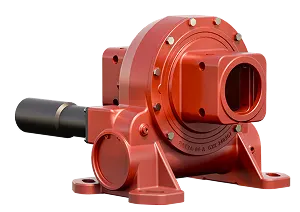
- Drive Mechanism: Self-locking gearboxes deliver consistent torque transmission. This design requires less frequent servicing, keeping your O&M costs low.
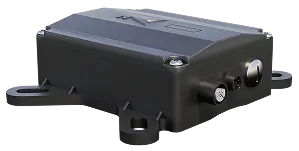
- Tracking & Weather Defense:The controller runs backtracking, cloudy-sky, and slope-adaptive algorithms to optimize energy yield. Integrated wind, snow, rain, and irradiance sensors automatically trigger protective modes when the weather turns.
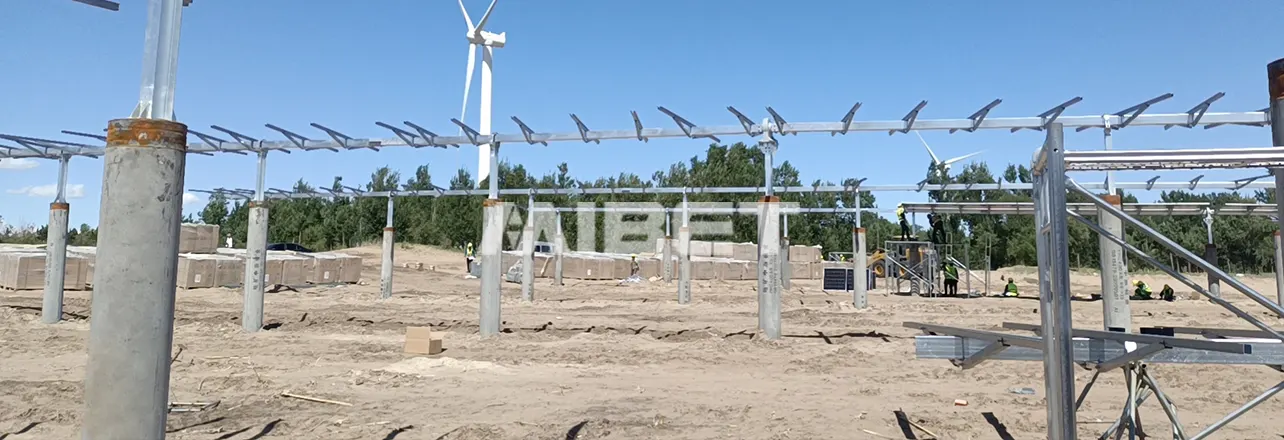
- Field Installation: Shipped with pre-assembled components and designed for bolted field connections with high mounting tolerances. It directly cuts your on-site labor hours and reduces the risk of installation errors.


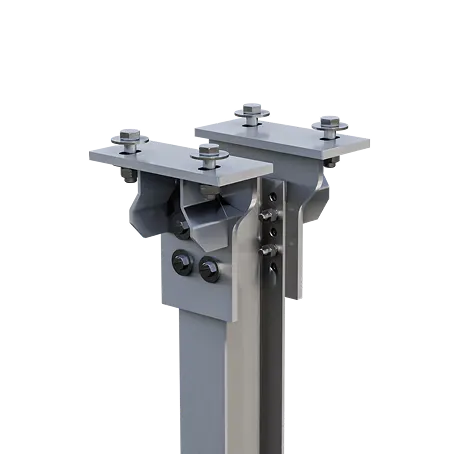
Mounting Bracket
Slewing Drives
Tracker Controller


Agrivoltaics

High-Snow Climates

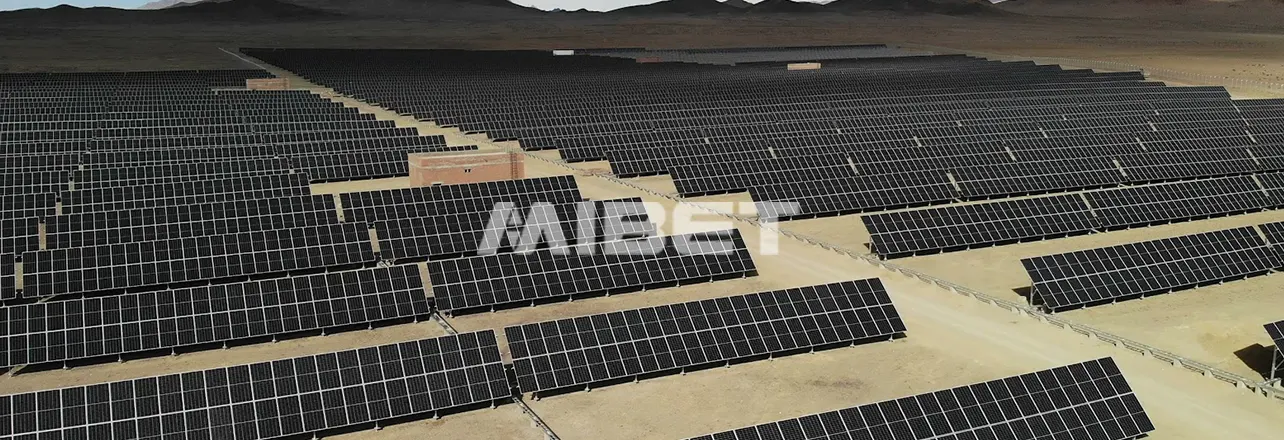
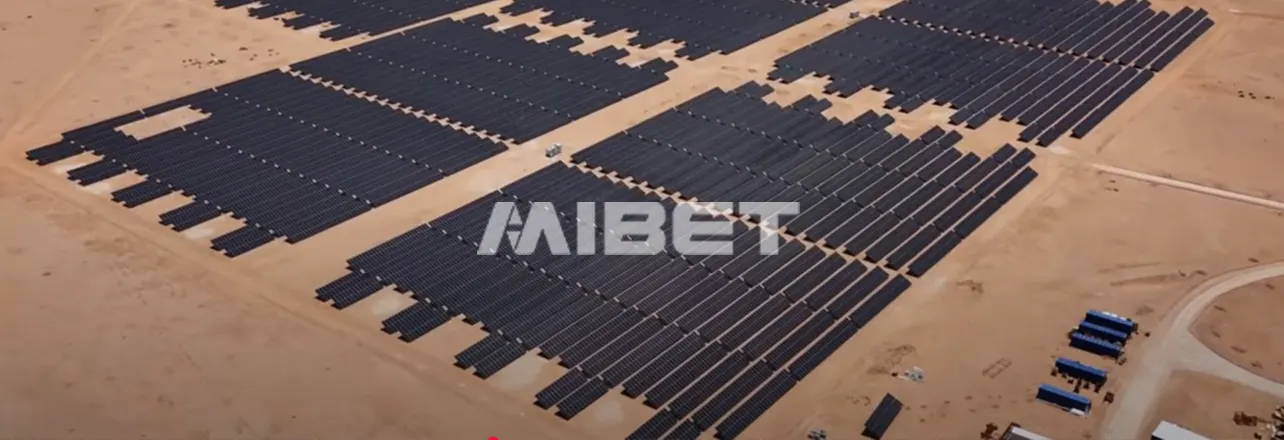
Desert Environments

Over-Water Solar
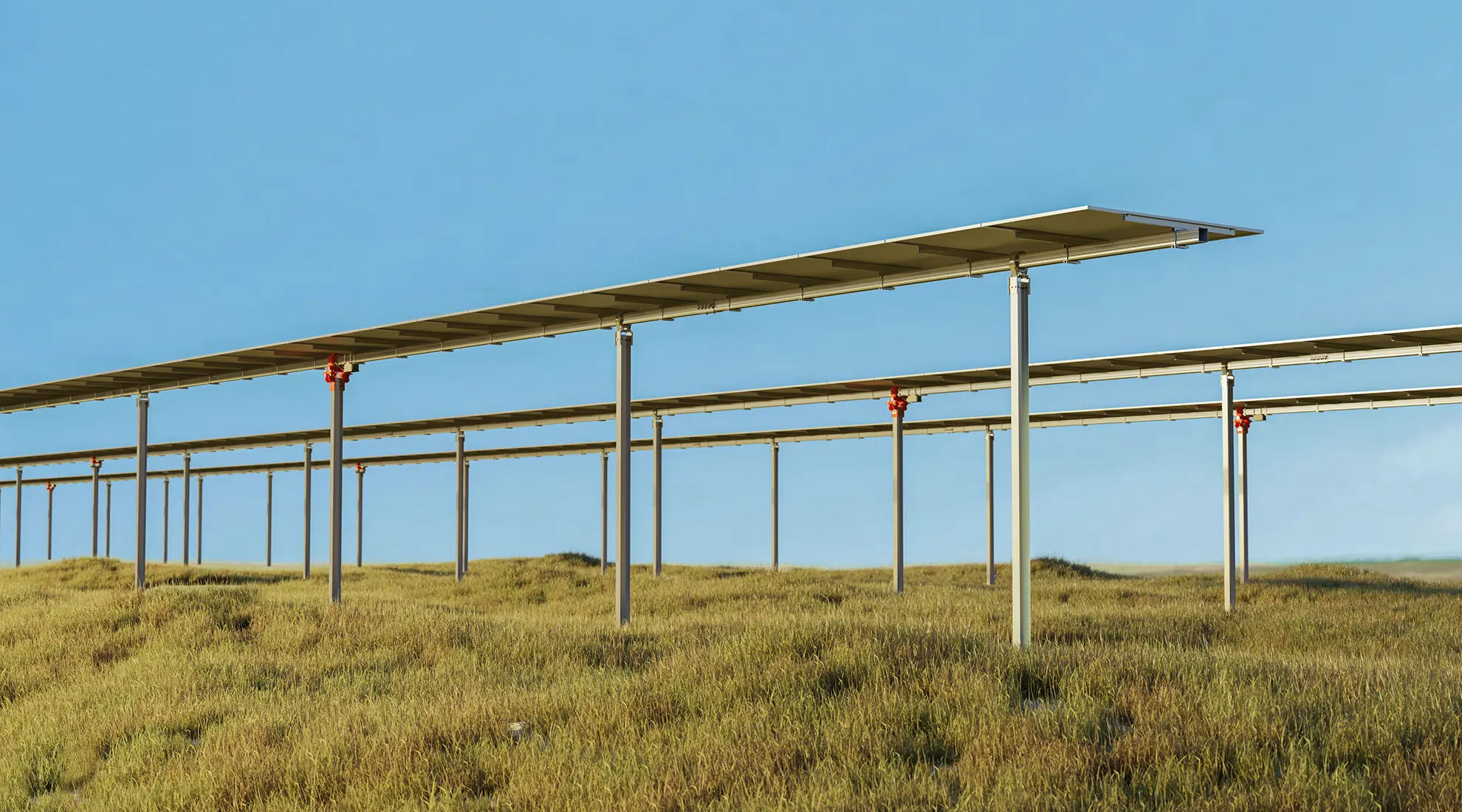
Tracking System Capabilities & Structural Design
High Yield & Stability
Multi-point parallel drives reduce torsional galloping in strong winds. AI backtracking and a ±60° range prevent shading to maintain steady energy output on uneven terrain.

Lower CAPEX & OPEX
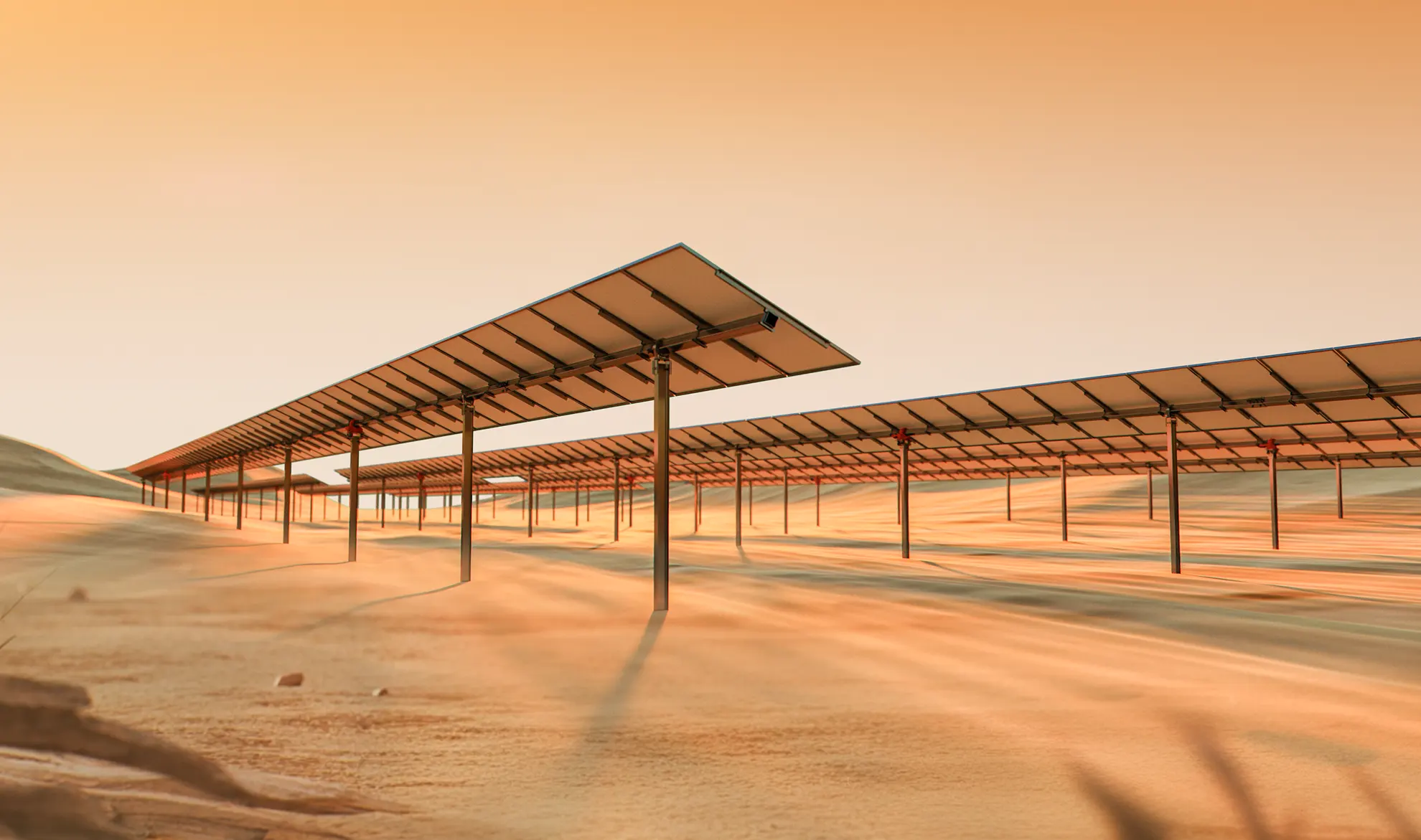
Simplified column designs cut down piling and installation time. An unobstructed structural layout lets cleaning robots pass freely, lowering routine O&M costs and protecting site ROI.
Smart Control & Stow
SCADA integration gives you real-time monitoring and diagnostics. In bad weather, active stow protocols secure the array against high wind, snow, and hail

Terrain & Module Adaptive
It handles up to 15% slopes and uneven ground, supporting large-format bifacial modules. We offer 1P, 2P, and multi-row setups to fit your specific site layout.

Wind Tunnel Tested
We validate our trackers through dynamic and aeroelastic wind tunnel tests. This verifies structural integrity and ensures reliable performance throughout the system's lifecycle.
Single-Axis Tracker Architecture & Performance
- Structural Resilience:Built with High-Strength Low-Alloy (HSLA) steel and multi-point slewing drives to mitigate torsional galloping. Rated for 135 mph survival wind speeds in the stow position (ASCE 7 compliant) to maintain structural integrity in extreme weather.
- Zero AC Trenching:Offers string-powered and self-powered (dedicated PV + battery) configurations, eliminating the need for AC trenching. The 24V DC gear motor draws just 0.04 kWh/day, keeping parasitic loads and OPEX low.
- Climate Durability:Structural components are treated with Hot-Dip Galvanizing (HDG) or Zinc-Aluminum-Magnesium (ZAM), adaptable for C4/C5 high-corrosion sites. Rated for reliable operation at altitudes up to 4,000m and operating temperatures from -30°C to +60°C.
- Tracking Control & Yield:Uses astronomical positioning algorithms and closed-loop inclinometer feedback to control the ±60° rotation range. Smart backtracking mitigates row-to-row shading. Compatible with framed modules and GCR ≥ 35%.

Global Project Cases
Operating in global commercial and utility projects. Our structural solutions adapt to site-specific environmental loads and topography.
50MW Single Axis Tracker
Liaoning, China