Floating Solar: 8 Things You Need To Know
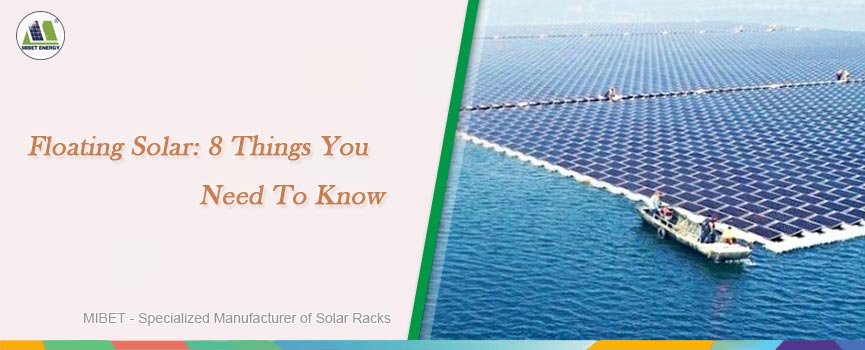
Solar power has grown in popularity in recent years, thanks to the global push for renewable energy. While solar panels on the ground are the usual way to capture the sun's power, floating solar is catching on fast. This clever approach puts panels on floats out on lakes, reservoirs, or other large water bodies, generating clean energy without taking up valuable land space.
What Is Floating Solar and How Does It Work?
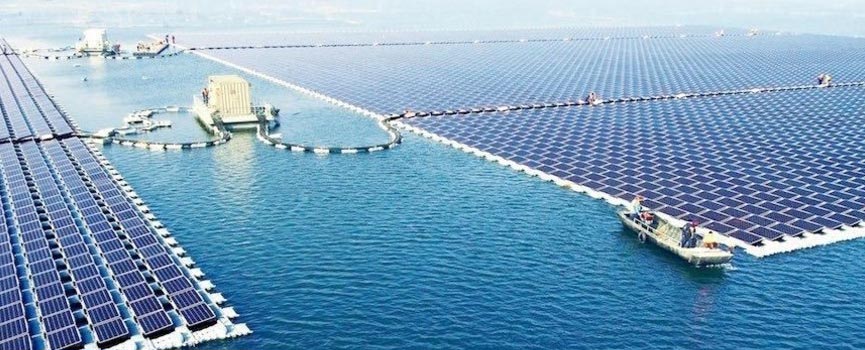
Solar panels mounted on floating structures are often called floating solar or FPV (Floating Photovoltaics). These systems are typically used on water bodies like reservoirs, lakes, and ponds. The big plus? FPV uses the empty space on the water surface and doesn't take up valuable land.
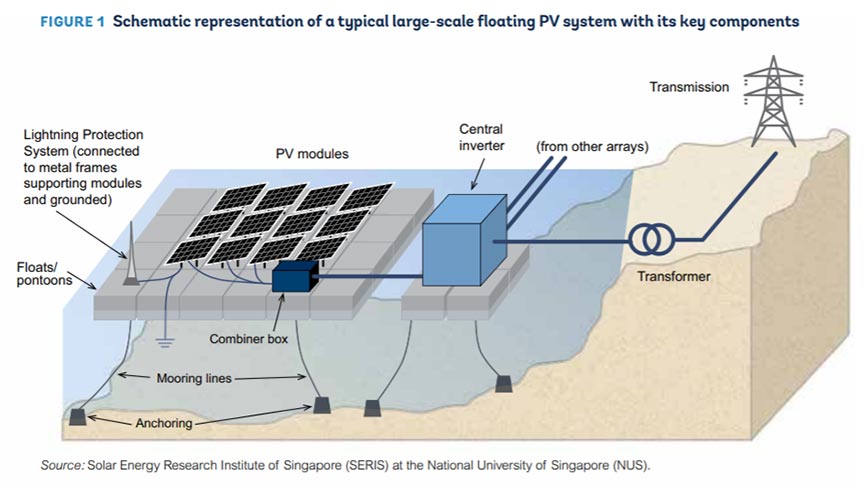
So, how does it work? First, the whole setup is held securely in place by a mooring and anchoring system, stopping it from drifting away (like you see in Figure 1). The solar panels are mounted securely on floats, positioned to get plenty of sunlight.
Here's how the power flows:
1. The panels generate DC (Direct Current) electricity from sunlight.
2. Cables carry this DC power to a combiner box, which gathers the power from different groups (strings) of panels.
3. From the combiner box, the power goes to an inverter. The inverter changes the DC power into AC (Alternating Current) power.
4. Next, the AC power usually goes to a transformer which steps UP the voltage (makes it higher).
5. Finally, this high-voltage AC power is sent through special underwater or overwater cables to the shore, where it connects to the transmission system and the power grid.
Putting FPVs on water can be a win-win. The water underneath helps to cool the panels naturally. Cooler panels generally work more efficiently, helping them produce more power compared to panels getting hot on land.
Components of Floating Solar System
A floating solar system basically puts solar panels on floating structures so they can work on water. Here are the main parts:
Solar Panels
These are the key parts that make the power. They catch sunlight and turn it straight into DC electricity. It's important they are efficient, tough, and can handle things like humidity and changing temperatures.
Floaters (Floating Structures/Pontoons)
Think of these as platforms that keep everything afloat. They're usually made of tough, sun-resistant plastic (like HDPE) that doesn't rust. They hold the solar panels safely at the best angle and have to be strong enough for wind, waves, and maybe even ice. Some designs use big main floats with walkways, others use separate pontoons for each panel.
Mooring System
This is super important. It anchors the whole floating setup securely, stopping it from drifting away because of wind, water currents, or waves. It has two main parts:
● Anchors: These grip the bottom of the lake, reservoir, or sea floor to hold everything steady. The type of anchor needed (like drag, vertical, suction, or just heavy blocks) depends on how deep the water is, what the bottom is made of (mud, sand, rock), and how strong the wind and waves get.
● Mooring Lines: These are strong lines (like synthetic ropes, chains, or steel cables) that connect the floaters to the anchors. They need to handle the pull from wind and waves and deal with changing water levels over time, making sure the platform stays put.
Cabling and Wiring Management
You need a network of special cables to move the power and send data.
● DC Cables: Connect strings of solar panels to combiner boxes or inverters.
● AC Cables: Connect inverters to the transformer, sending power towards the shore.
All cables in these systems have to be built for water – waterproof, sun-proof, rust-proof, and tough enough to handle movement without getting damaged. Keeping cables organized and protected on the floaters is key for safety.
Combiner Box
These boxes collect the DC power coming from several strings of panels. They usually have safety gear like fuses or circuit breakers inside and act as a collection point before the power goes to the inverter(s).
Inverters
This gadget changes the DC electricity from the panels into AC electricity. AC power is what the grid uses, or what standard appliances run on. Systems might use:
● Central Inverters: One (or a few) large inverters handling power from a big section or all the panels, often kept in a container on the platform or onshore.
● String Inverters: Smaller inverters, each handling power from just one or a few panel strings. These can be spread out on the platform, which can be good for setup, backup, and repairs.
Transformer
Usually placed after the inverters (on the platform or onshore), the transformer bumps up the AC voltage. Higher voltage means lower current, which cuts down on power loss when sending electricity over long distances to the grid connection point.
Transmission System
This is all the gear needed to get the AC power from the platform's transformer to the substation on land and hooked up to the main electrical grid. It often involves special underwater or overwater cables, and maybe power lines on land.
Grid Connection Equipment (Onshore)
Back on land, this includes the switches, breakers, safety relays, and meters needed to safely connect the floating solar plant to the grid and make sure it follows all the rules.
Monitoring and Control System (SCADA)
Think of this as the system's brain. It keeps track of everything in real-time: how much power is being made, how the parts are doing (panels, inverters, etc.), weather conditions (sunlight, wind, temperature, water level), and any problems. It sends alerts and lets operators check things and even control parts remotely to keep everything running smoothly and plan maintenance.
Advantages and Disadvantages of Floating Solar
Here's a look at some pros and cons of installing floating solar:
Advantages of Floating Solar
● Doesn't Use Valuable Land: Floating solar doesn't use up valuable land space. This means land can stay available for things like farming, housing, or nature.
● Water Benefits: Floating panels reduce water evaporation from the surface below and can also help limit algae growth in the water body.
● Better Performance: The water underneath helps cool the panels naturally. Cooler panels work more efficiently, boosting their power output, especially in hot weather compared to panels on land.
Disadvantages of Floating Solar
● Higher Cost to Install: Installing floating solar is usually more expensive than typical ground-mounted or rooftop systems because it needs special gear, anchoring, and expertise.
● Mainly Large-Scale: This technology isn't typically for individual homes. Most floating solar projects are big, designed to supply power to communities, businesses, or utility companies. For a single house, rooftop or ground-mounted solar is often more practical.
● Impact on Aquatic Life: The panels block sunlight from reaching the water below, which can affect plants and other aquatic life that depend on it. The physical structures could also pose a risk to animals. That's why they're often recommended for man-made water bodies like reservoirs, where there might be less existing wildlife to disrupt.
| Advantages | Disadvantages |
|---|---|
| Saves Land Space | Higher Installation Cost |
| (Frees up land for other uses) | (Needs special equipment & expertise) |
| Reduces Water Evaporation | Mainly for Large-Scale Use |
| (Conserves water) | (Less practical for individual homes) |
| Limits Algae Growth | Impact on Aquatic Life |
| (Can improve water quality) | (Blocks sunlight, potential physical risk) |
| Higher Efficiency Potential | |
| (Water provides natural cooling) |
Maintenance of Floating Solar Panels
Floating solar panels still need regular maintenance to keep them working well and safely, although rainfall does help with washing the panels naturally. Besides cleaning, the water environment means other checks are important too.
Cleaning Methods
● Manual Cleaning: This uses professional crews with the right equipment and cleaning materials. It's important to be very careful when choosing cleaning solutions, as some chemicals can damage the panels or affect water quality.
● Sprinklers: In dry areas with little rain, sprinkler systems can be installed. They spray water over the panels, acting like artificial rain to wash off dust and dirt relatively cheaply.
● Robotic Cleaning: Robots are increasingly used to automatically clean panels, and some can even help with basic inspections or repairs. They cost more to buy initially but can be cost-effective over time and often use less water than manual or sprinkler methods.
Other Essential Maintenance
Maintenance isn't just about cleaning the panels. Because these systems float on water, other checks are vital:
● Moorings and Anchors: Regularly inspecting the lines and anchors that hold the whole platform steady is crucial, especially after strong winds or storms.
● Floating Structures: The floats themselves, plus the frames and connections holding everything together, need checking for any damage, leaks, or wear and tear from the constant movement on water.
● Electrical Systems: All the cables, connectors, combiner boxes, and inverters need regular checks to make sure they remain watertight, free from corrosion, and undamaged.
● Biofouling Checks: Depending on the water body, things like algae or barnacles might grow on the underwater parts of the floats or mooring lines. If this buildup (called biofouling) becomes significant, it may need cleaning off.
Keeping Tabs on Long-Term Performance
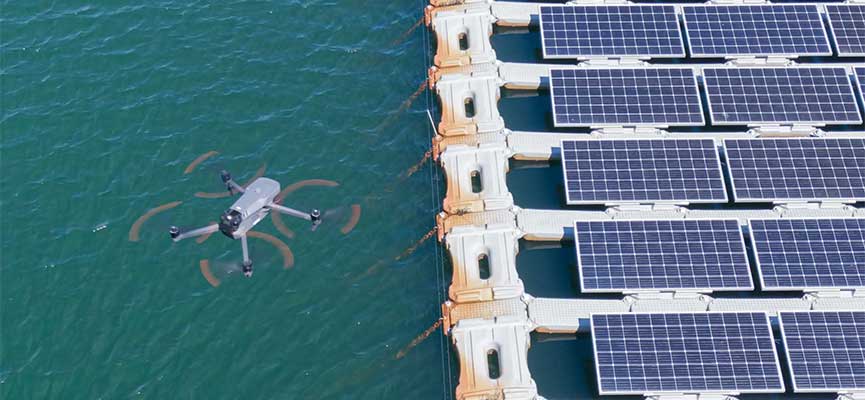
Image source: The drone life
Floating solar systems are usually built tough, designed to last 25 years or more. To keep them working well the whole time, you need to watch the important parts. Long-term performance depends on a few things: how the panels age naturally, how the floating parts hold up, if the anchors and moorings stay put, and if the electrical bits stay stable.
We know that good quality floating solar structures can still work well even after 10+ years. Regular check-ups are key to finding problems early. This often means using drones for a bird's-eye view and sometimes divers check things underwater. It's also super important to check the whole system carefully after bad weather, just to make sure it's still strong and safe. Collecting and studying performance data over time helps us understand how these systems work long-term.
Further Reading: Solving Floating Solar Maintenance with Drones and Digital Twins
Handling Rough Weather
Floating solar systems need to handle rough weather like strong winds, big waves, heavy rain, and even ice. For strong winds and waves, a solid anchoring and mooring system is a must. Common types are vertical load anchors, drag embedment anchors, and suction anchors.
Flexible connections let the system move more naturally with the water, putting less stress on everything. In windy areas, you might need stronger floats and extra anchors to keep it all tied down. Where water freezes, you have to pick floats and anchors that can handle the ice.
Plus, all the electrical stuff needs to be waterproofed and protected from rust in that wet environment. It's smart to have backup plans for extreme weather. This could mean adding extra ropes or shutting the system down in a big storm to stay safe.
Are Floating Solar Panels More Efficient Than Land Solar Power Plants?
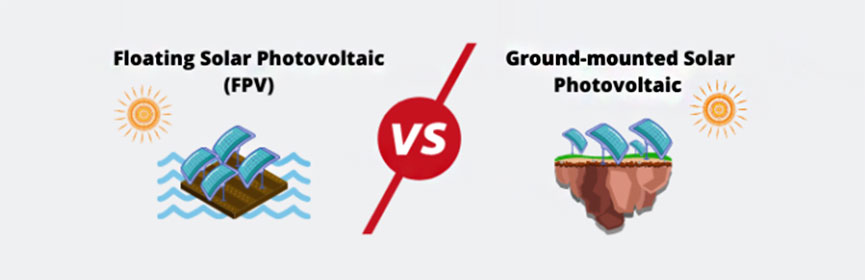
The main reason floating solar panels can be more efficient comes down to temperature. Solar panels generally work better and produce more electricity when they are kept cooler.
Solar panels sitting on hot ground or dark rooftops get very warm, which slightly reduces their performance. When panels float on water, the water body underneath provides a natural cooling effect, especially in sunny and hot climates.
Because of this cooling, studies often show that floating solar panels can generate more energy compared to identical land-based solar panels in the same weather conditions. The exact performance boost isn't always the same – it depends heavily on factors like the local climate, water temperature, and the specific design of the system. However, this cooling effect does give floating solar a potential edge in efficiency.
Which Waters Work Best for Floating Solar?
Floating solar works on lots of different water bodies, but the site details shape the system design and how it runs.
1. Reservoirs and Lakes: These are the usual spots, especially man-made ones where floating solar can team up nicely with existing hydropower. Things to think about: water depth, water level changes, typical wind and waves, and if boats use the area.
2. Irrigation Canals and Channels: These usually have slower water flow, good for long, thin rows of panels. Bonus: the panels can cut down on water evaporation from the canal.
3. Industrial Ponds and Cooling Basins: Think power plant cooling ponds or mine tailing ponds. These man-made ponds are often just sitting there, perfect for putting in floating solar.
4. Drinking Water Reservoirs: Putting floating solar here needs extra care. You gotta use materials proven safe so they don't mess with the water quality. Interestingly, some studies say well-designed systems might even help water quality by stopping algae growth.
5. Near-Shore Coastal Areas: Using floating solar near the coast is still mostly being tested out. It's tougher here with rough seas and salty water causing rust. But the potential is huge, so lots of people are interested and trying new things here.
Our Floating Solar Solution
Mibet's own floating solar system is designed to be easy to install and requires minimal maintenance. It’s robustly built to handle different challenges effectively, whether dealing with site conditions, weather, wind, or waves. We are always refining our proven floating designs to keep pace with current industry needs. Learn more about our floating system products here.
Tao Chen
Marketing Director & IT Director · MIBET ENERGY
MIBET is a global designer and manufacturer of solar mounting systems. With over 10 years of professional experience, Tao Chen regularly contributes articles to our blog on structural design, installation, and maintenance, offering valuable guidance for navigating the complexities of solar projects.