Floating PV System Architecture & Structural Design
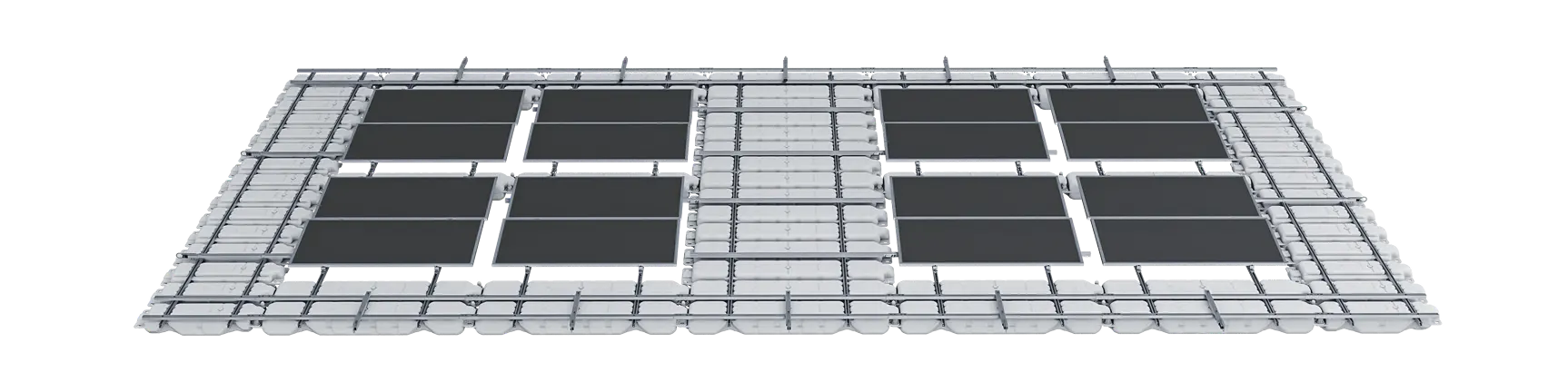
Floating Platform & Mounting Framework
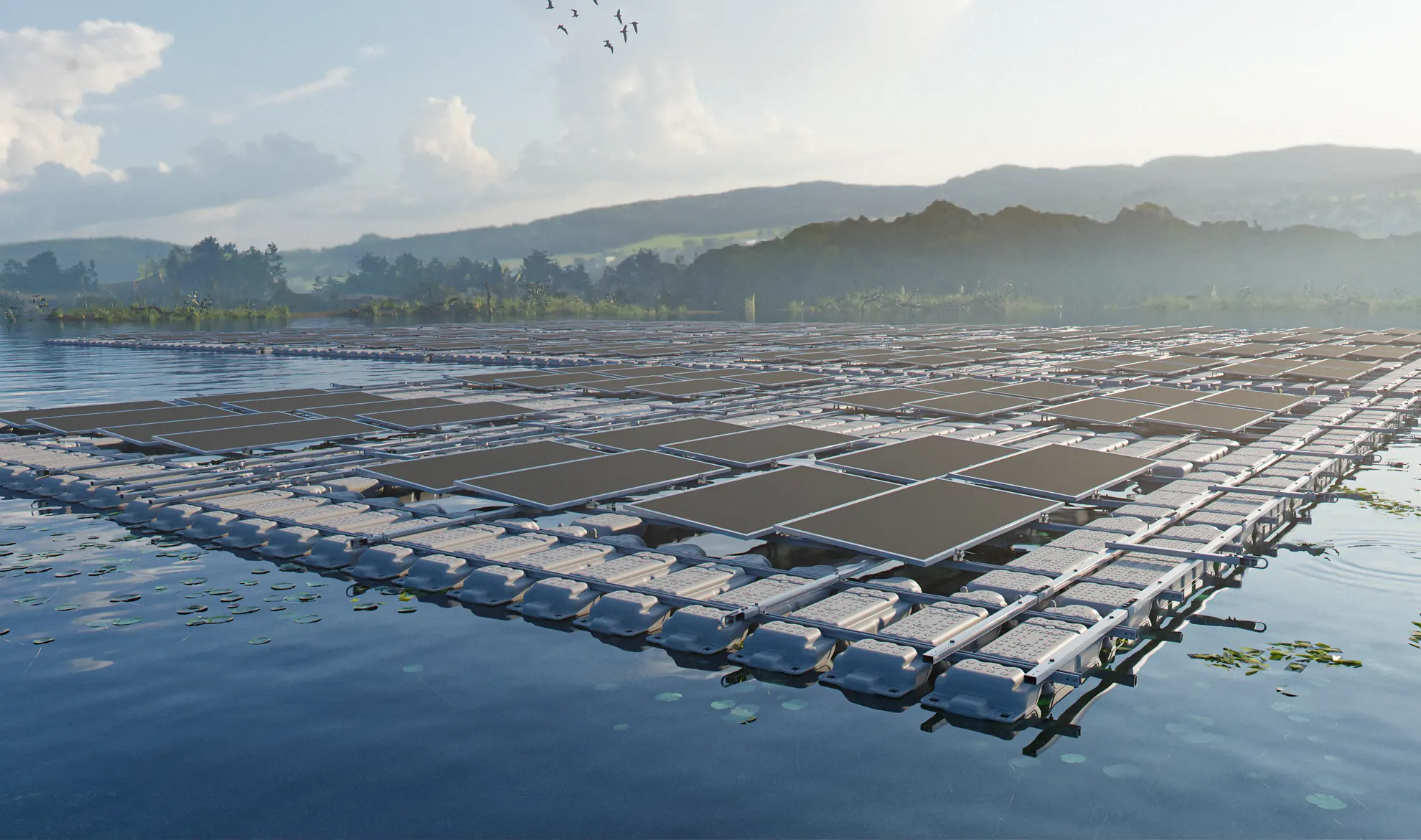
The foundation relies on high-strength, blow-molded HDPE floats. Compounded with UV stabilizers and anti-aging additives, the floats maintain structural integrity from –40 °C to 100 °C over a 25-year design life.
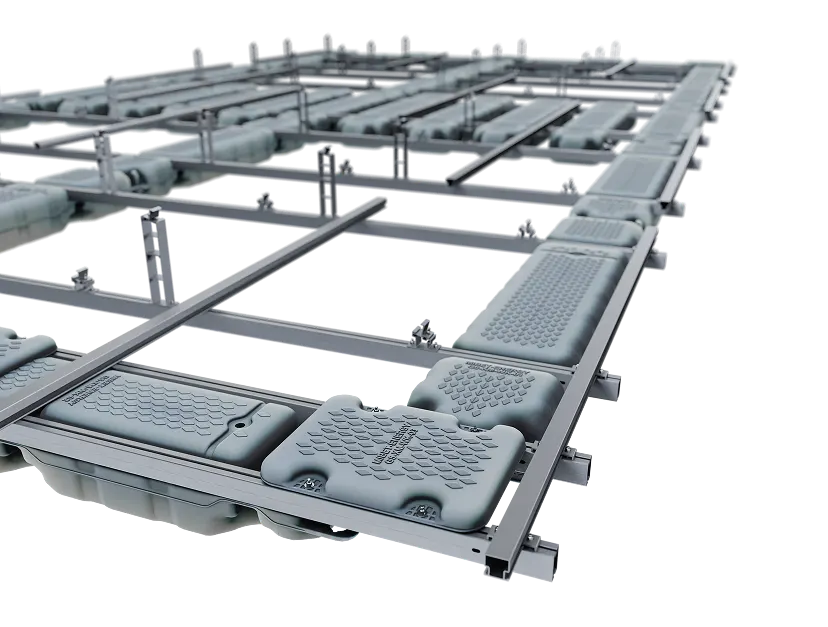
The mounting framework, constructed from either 6005-T5 anodized aluminum or corrosion-protected carbon steel, accommodates specific tilt angles of 5°, 10°, 12°, or 15°. This structure is secured to the main floats, with each unit providing a buoyancy capacity exceeding 200 kg. Together, the entire system can withstand wind loads of up to 60 m/s and snow loads of up to 1 kN/m².
To handle repeated cyclic loading from wave motion, the floats are held in place with interlocking lugs. These lugs are fastened with high-strength threaded polymer bolts and nuts.
Mooring & Anchoring Systems
Keeping an array stable requires a site-specific mooring plan. We model local wind loads, wave spectra, and bathymetry to calculate the required holding capacity.
- Liner Protection in Ponds: Elastic mooring lines dampen wind-driven drift without compromising the pond liner.
- Deep-Water Anchoring: The anchor type—gravity, helical, or driven pile—is dictated by site-specific geotechnical data.
- Extreme Water-Level Swings: Hydropower reservoirs frequently see seasonal swings of 20 meters or more.
Electrical Routing and O&M Accessibility
We design electrical routing and maintenance access into the initial array layout to ensure long-term asset availability. Dedicated floating pathways keep DC and AC lines safely above the waterline.
Maintenance walkway floats sit every one or two module rows, giving crew and equipment a clear path across the array.
HDPE Float
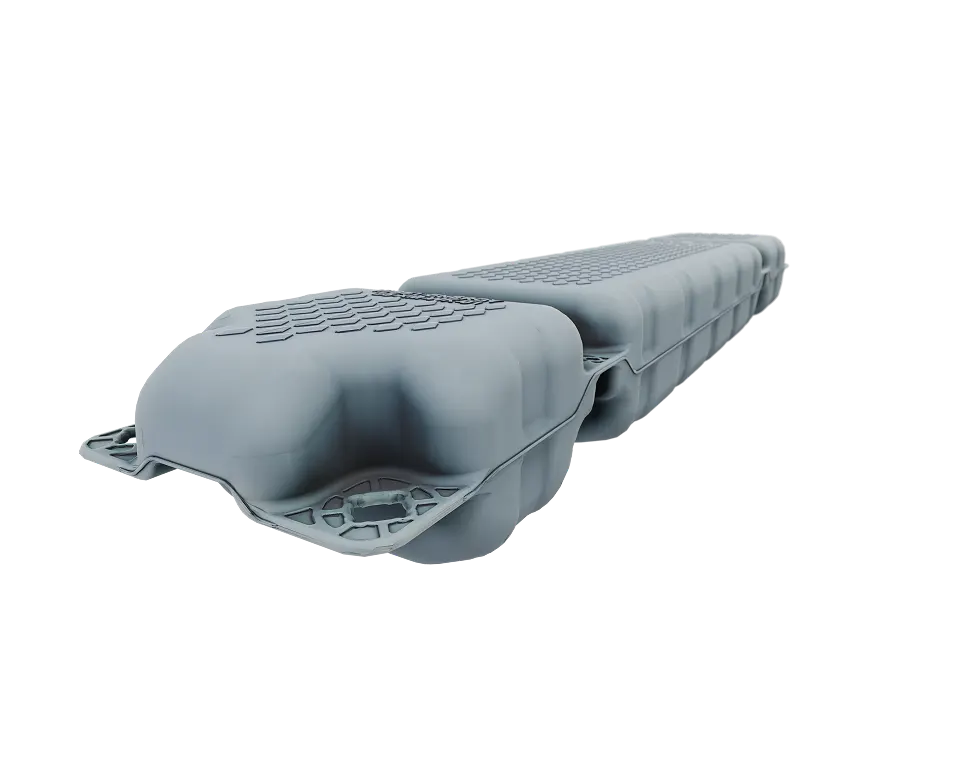
HDPE & Metal Framework
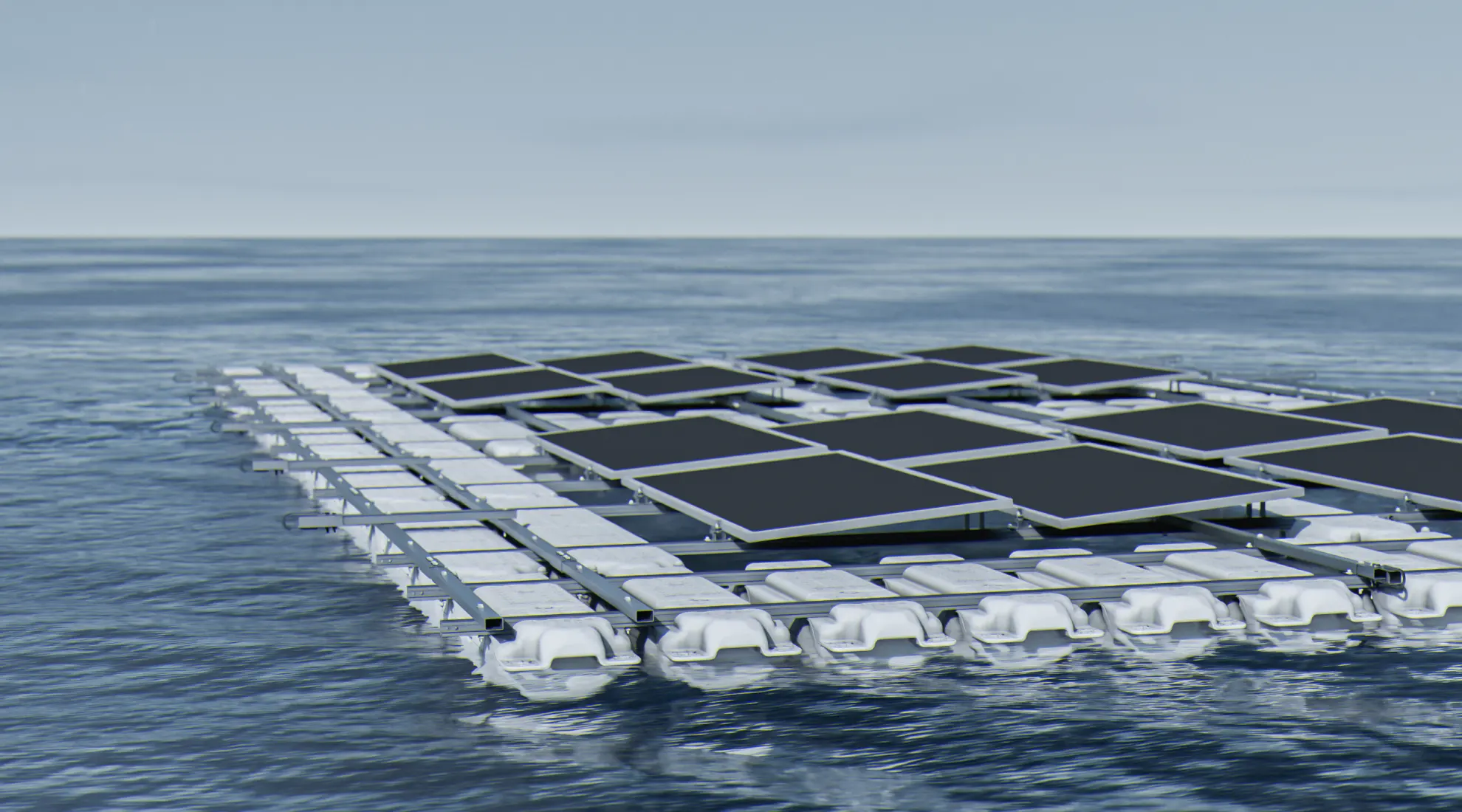
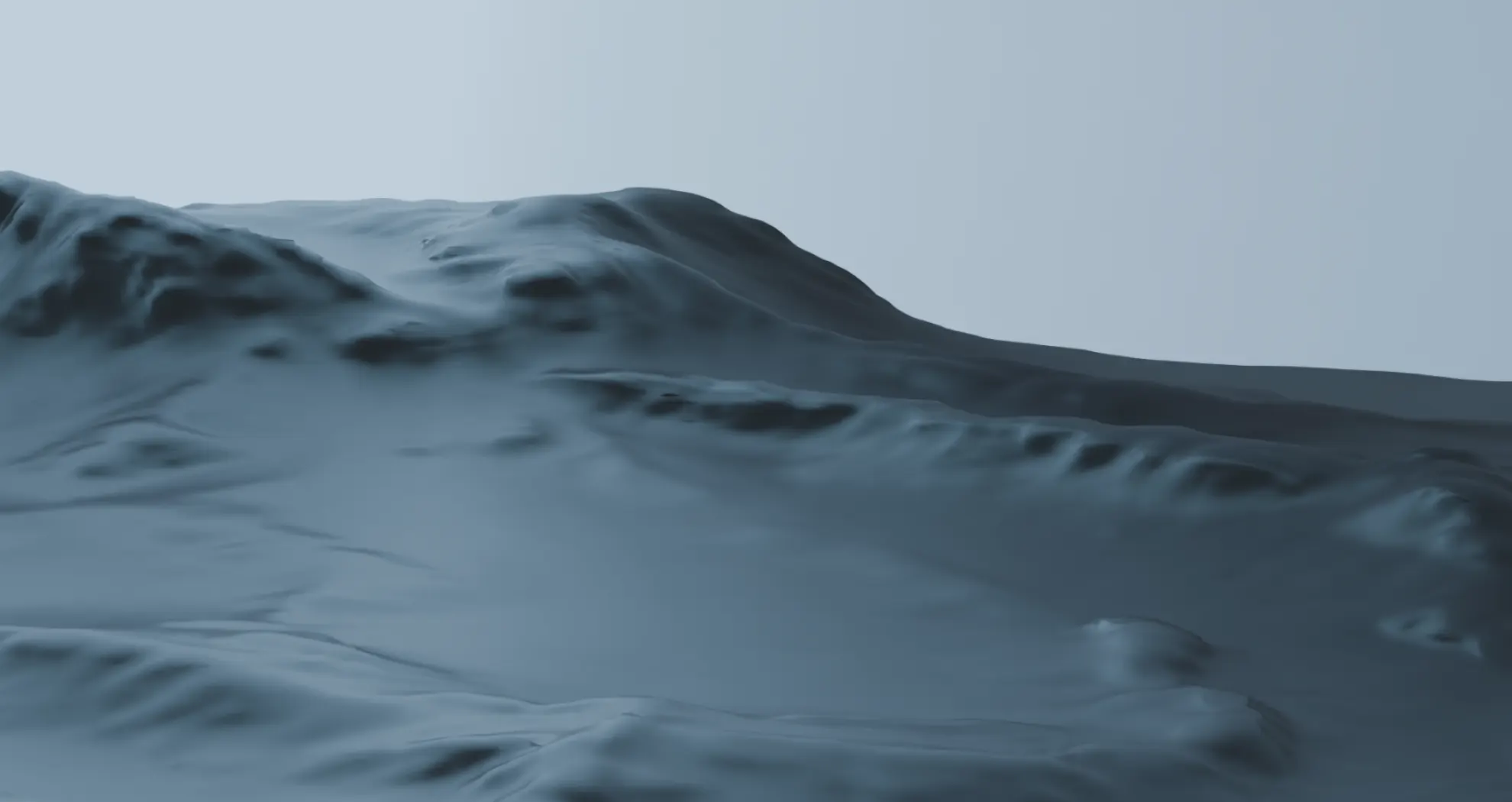
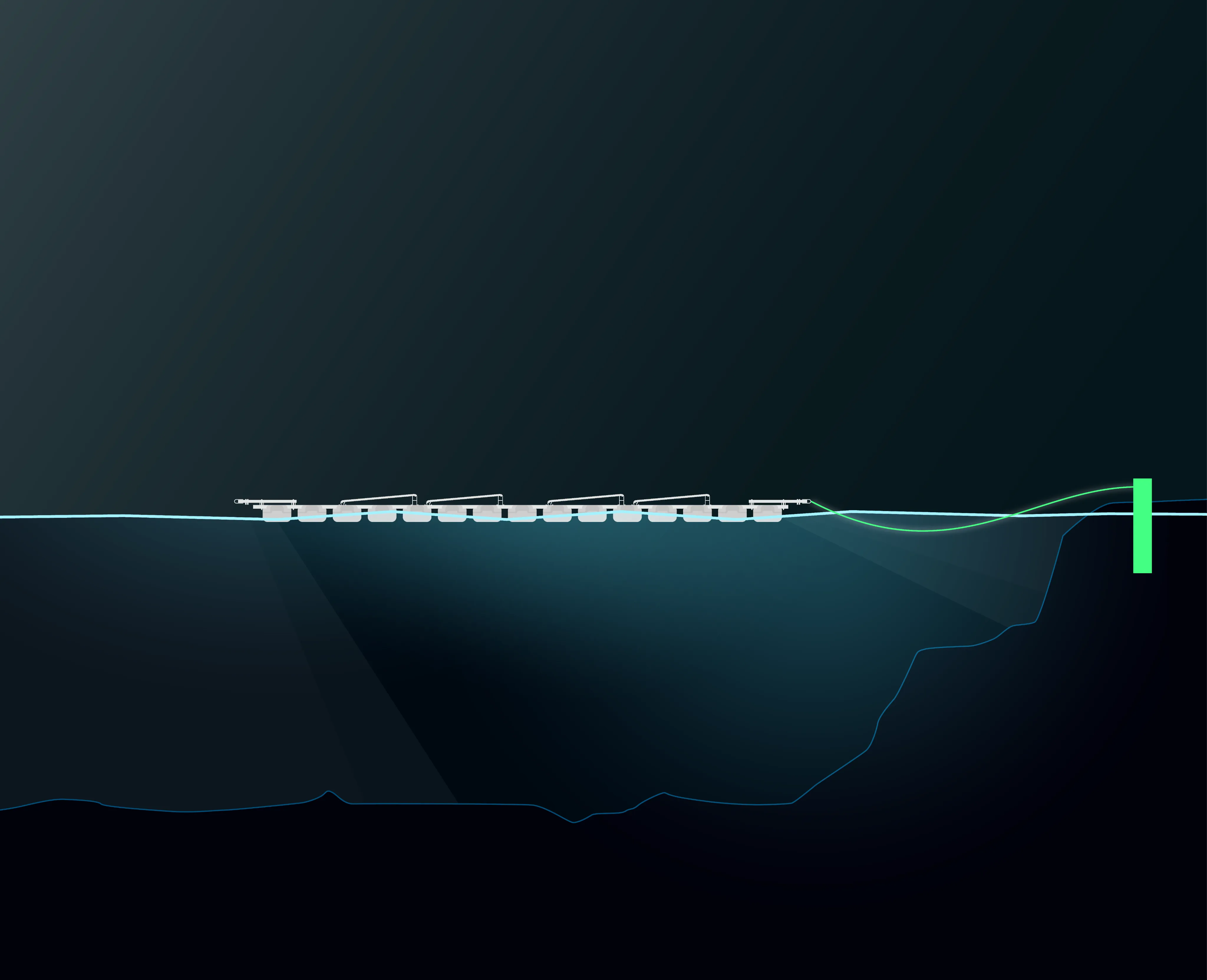
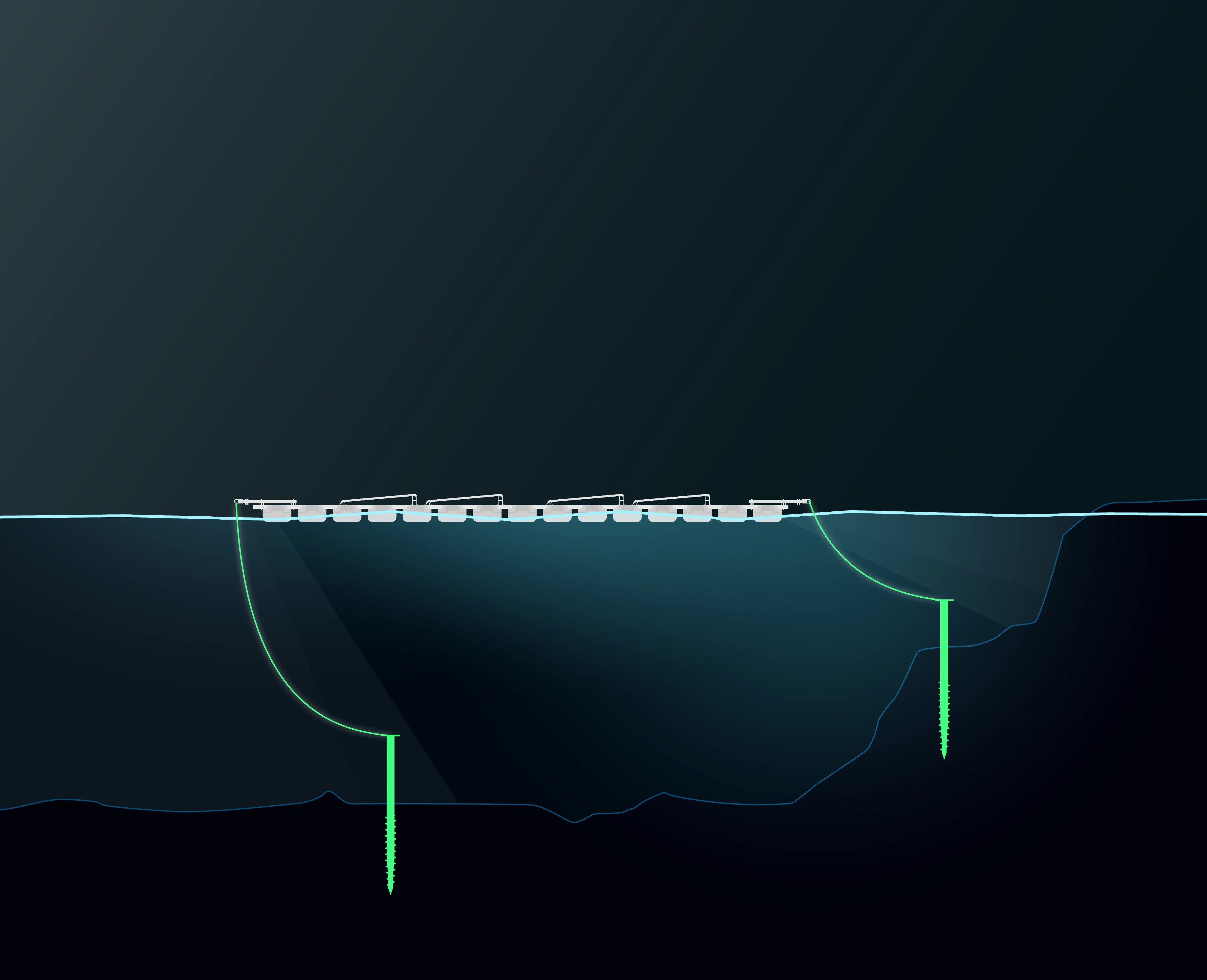
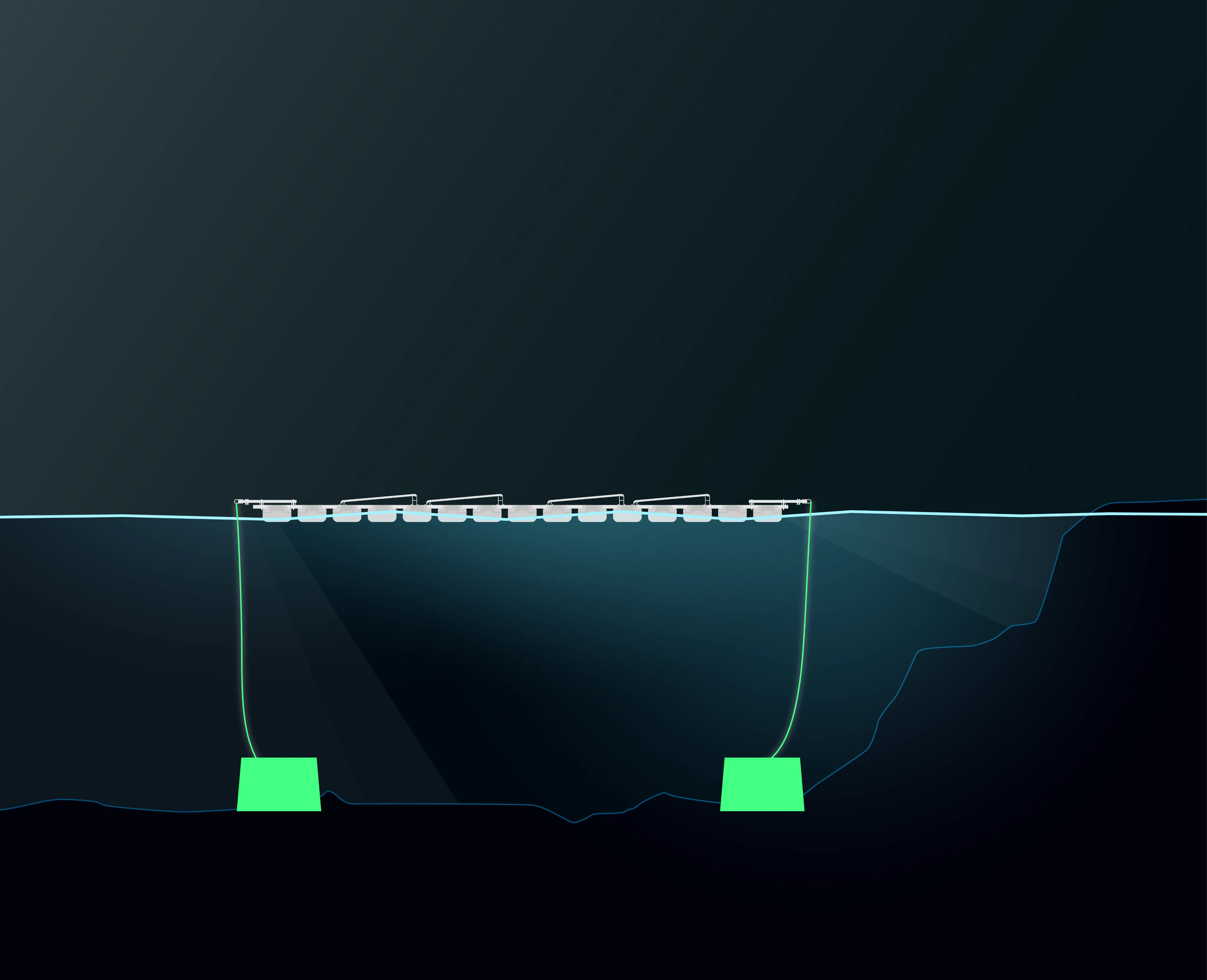
Water-level variation
Water-level variation
Water-level variation
Floating PV Systems Engineered for Long-Term Reliability
Certification & Testing
Our floating systems are TÜV and SGS certified for performance in harsh aquatic environments. Testing includes wind tunnel tests for wind speeds up to 60 m/s, Environmental Stress Cracking Resistance (ESCR) tests, and salt mist testing for corrosion resistance.
Engineering Support
Site conditions dictate FPV design requirements. Our engineers design array layouts and mooring solutions to accommodate site-specific variables—bathymetry profiles, seasonal water level fluctuations—and your project requirements.
Engineered for a 25-year operational life, our systems are backed by a 10-year product warranty.

Material Durability
Crafted from recyclable, UV-stabilized HDPE, maintaining long-term structural stability and resisting aging in complex aquatic environments.

Modular Design
Modular floating arrays adapt to irregular water bodies. Pre-assembled components shorten shore-based assembly time and lower installation costs.

Proven Stability
Withstands high winds and dynamic wave loads. Our floating architecture dissipates mechanical stress across connection points to maintain array integrity.

Simplified O&M
Mooring solutions dynamically accommodate water level fluctuations. Anti-slip walkways provide maintenance personnel with safe and efficient access.

Rigorous Testing
Our FPV structures are verified via wind tunnel and salt mist testing, safeguarding your project's long-term energy yield.

Broad Compatibility
Compatible with high-power, large-format modules. Our clamping design provides reliable grip under high wind and wave dynamics, mitigating micro-crack risks.
Engineered FPV Solutions
- HDPE Construction: Engineered entirely from HDPE for enhanced buoyancy and long-term corrosion resistance.
- Scalable Configuration: Modular design accommodates site-specific layouts and simplifies on-site array assembly.
- Dynamic Adaptability: Built to maintain stability in deep, fast-flowing, or fluctuating water conditions.
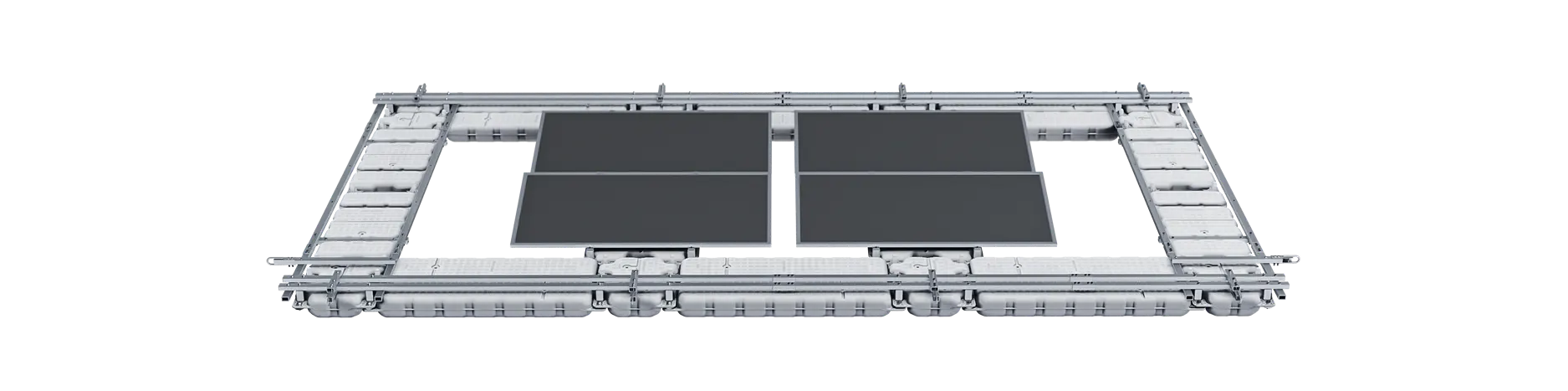
- Hybrid Architecture: Integrates HDPE floats with heavy-duty carbon steel frames for superior structural rigidity.
- High Load-Bearing: Optimized to securely mount large-format, high-power PV modules for maximum energy yield.
- Extreme Load Resistance: Engineered to withstand severe wind speeds and dynamic wave loads, maintaining array integrity.
Global Project Cases
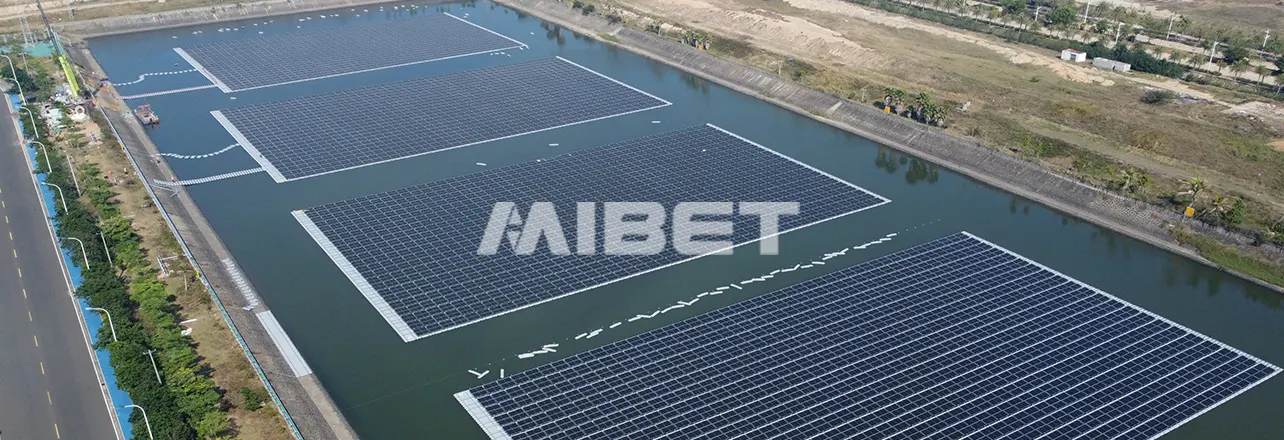
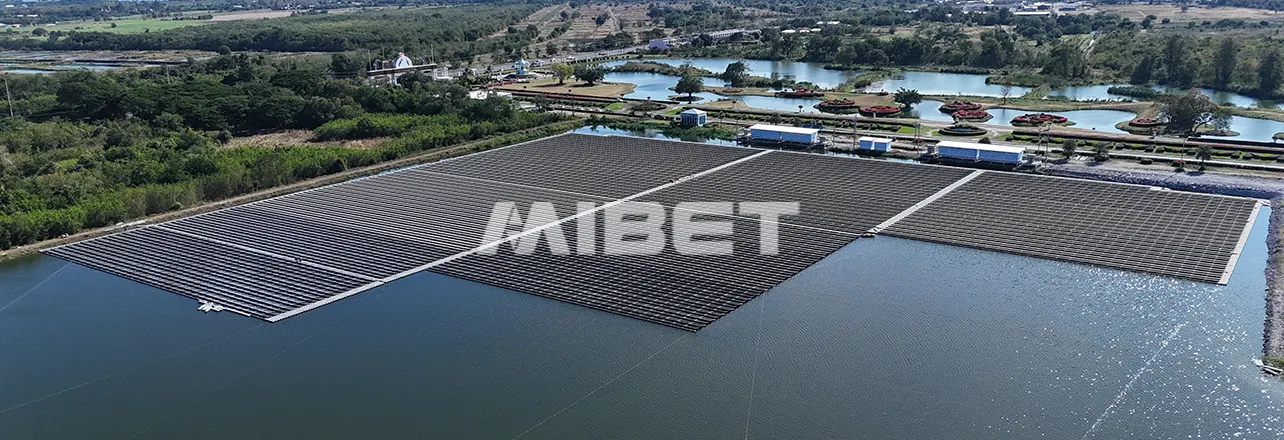
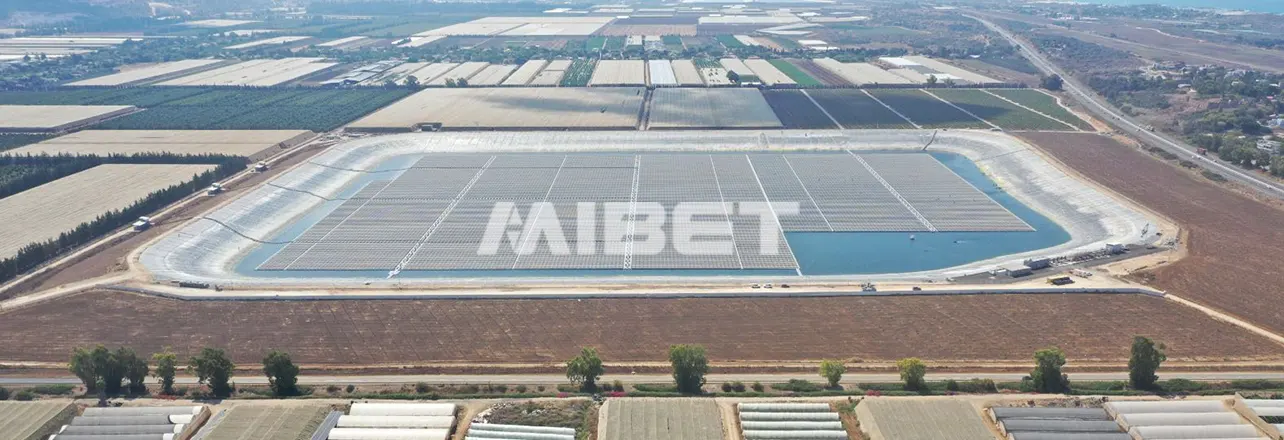
Operating in global commercial and utility projects. Our structural solutions adapt to site-specific environmental loads and topography.
16MW Floating Solar
Zhanjiang, China